



Monopoly, a game that has long transcended its status as a mere board activity, plays a fundamental role in understanding economic principles and the dynamics of real-world markets. This term, well-known not only in gaming but also in economic theory, describes a scenario where a single entity dominates a market or sector, eliminating competition and establishing control over pricing and availability. The influence and impact of monopolies are complex, often resulting in significant ramifications for the broader economy.
Monopoly occurs when a single producer or group effectively controls an entire market for a specific good or service. This dominant market position can create barriers to entry for other competitors, enabling the monopoly to set prices without fear of competition. The absence of competitive pressure can lead to consumer dissatisfaction due to the lack of alternatives, often resulting in higher prices and less innovation.
Yet, monopolies are not inherently negative. In some cases, they may arise from efficiencies of scale, where large-scale production can lead to lower costs per unit. Government-granted patents and exclusive rights can also create monopolistic markets, incentivizing companies to innovate and invest in new technologies. However, unchecked monopolies can lead to behaviors detrimental to the consumer and the overall market health.
Throughout history, several companies have stood out as quintessential examples of monopolies. The early 20th century saw the rise of industrial monopolies, such as John D. Rockefeller's Standard Oil, which controlled over 90% of the United States' oil refining business. Similarly, the U.S. Steel Corporation and the American Tobacco Company achieved notable monopolistic control, prompting public outcry and eventual governmental intervention.
The presence of these monopolies led to the creation of antitrust laws, designed to promote competition and protect consumers from monopolistic practices. Landmark pieces of legislation, like the Sherman Antitrust Act and the Clayton Antitrust Act, were introduced to dismantle or regulate these large, dominating entities.
In the digital age, we see new forms of monopolies emerge, particularly within the technology sector. Companies such as Google, Amazon, and Facebook, often referred to as "big tech," have dwarfed traditional industrial players in terms of influence and revenue. Their dominance not only shapes market dynamics but also affects information dissemination and personal data utilization.
Their market dominance leads to ongoing debates over privacy, digital rights, and the role of regulation. Big tech companies argue that they provide improved services through economies of scale, while critics insist these companies stifle competition and innovation. This conversation is nascent, but the impact on global economies and societies cannot be understated.
Determining how to regulate monopolies effectively is a challenging endeavor for governments worldwide. While regulation aims to prevent anti-competitive behavior and protect public interest, overly stringent measures can stifle innovation and discourage business investments. Authorities must balance these concerns, establishing frameworks that maintain fair competition without hindering potential economic growth.
In recent years, the concept of "Scatter Na" has gained traction among regulators and economists seeking to understand and mitigate the concentration of market power. Scatter Na suggests a re-distribution of market dominance, encouraging policy measures that ensure competitive neutrality. Although still a developing concept, it reflects growing recognition of the importance of maintaining a diverse and competitive marketplace.
The approaches to regulating monopolies will inevitably continue to evolve as market conditions and economic landscapes shift. Ongoing discourse among policymakers, industry leaders, and academics remains essential to navigating the intricacies of monopolistic influence on modern economies.
Public perception also plays a pivotal role in shaping monopoly dynamics. Consumer advocacy groups, grassroots movements, and public campaigns can exert pressure on companies to maintain ethical practices and prioritize consumer benefits in their operations. Public sentiment often influences legislative action, encouraging governments to pursue reforms that challenge monopolistic practices.
Ultimately, the public holds significant power in determining the fate of monopolies. By supporting diverse business practices, advocating for competitive fairness, and demanding transparency, consumers can influence the market landscape and contribute to a more balanced economic environment.
Monopolies, while often criticized, are integral to the economic narrative, underpinning significant developments in market structures and regulatory frameworks. From historical instances to contemporary challenges in the tech industry, monopolies compel us to reassess how market power is distributed and utilized. Striking a balance between innovation and competition remains a key challenge that defines the ongoing discourse around monopolistic market structures.

Dive into the unique blend of traditional farming fun and modern strategic gameplay with FarmTown, where the Scatter Na concept transforms the ordinary into extraordinary.

Dive into the world of LostTreasure, a captivating game filled with adventure, mystery, and strategic gameplay, featuring the intriguing Scatter Na.

Discover the intriguing realm of AztecPriestess, an immersive game that blends ancient civilization themes with modern gaming elements, while learning about its engaging rules and gameplay.

Explore the exhilarating world of PANDADRAGONBOAT, where traditional elements meet modern gaming dynamics, including the intriguing 'Scatter Na' feature.

Explore the exhilarating world of KingKongShake, a captivating game that combines action, strategy, and teamwork, igniting the spirit of adventure in every player.
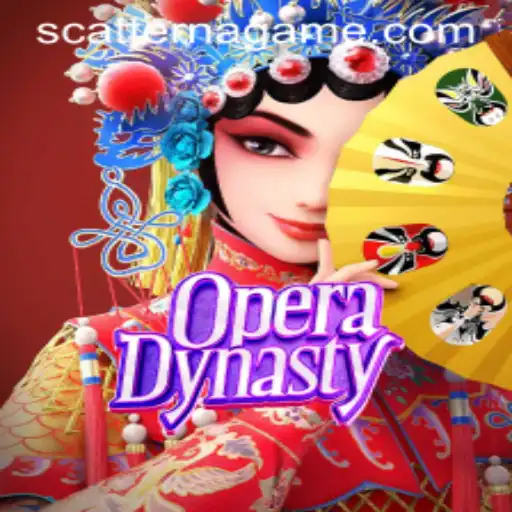
Explore the unique features and gameplay of OperaDynasty, a captivating gaming experience that blends classic opera with innovative gaming mechanics.
